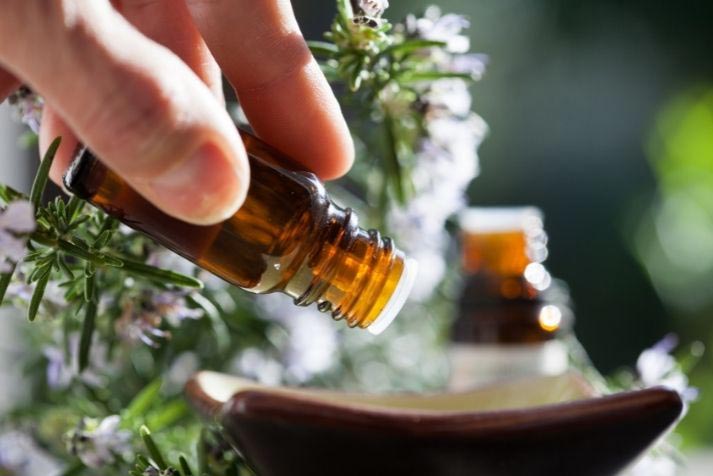
Blocked nose, runny nose, coughing that disrupts nights… cold season is here.
In children, colds are usually of viral origin and may sometimes be accompanied by mild fever. While generally harmless, they still require appropriate local care.
Essential oils and hydrosols can also support children during winter: they help reduce the intensity and duration of infections while effectively supporting the immune system.
👉 You can find all risks, contraindications, and child-specific formulas in the free program “Aromatherapy for Children.”
Important Notice
WARNING: The advice provided here is not intended to replace a medical consultation, diagnosis, or prescribed treatment. These recommendations aim solely to support the body’s natural defenses.
CAUTION: Children are a sensitive population when it comes to essential oils. Improvisation must be avoided. Do not substitute oils or modify formulas. Follow instructions carefully, including precautions, dosages, and duration of use.
Sneezing, Runny Nose: Cold or Nasopharyngitis?
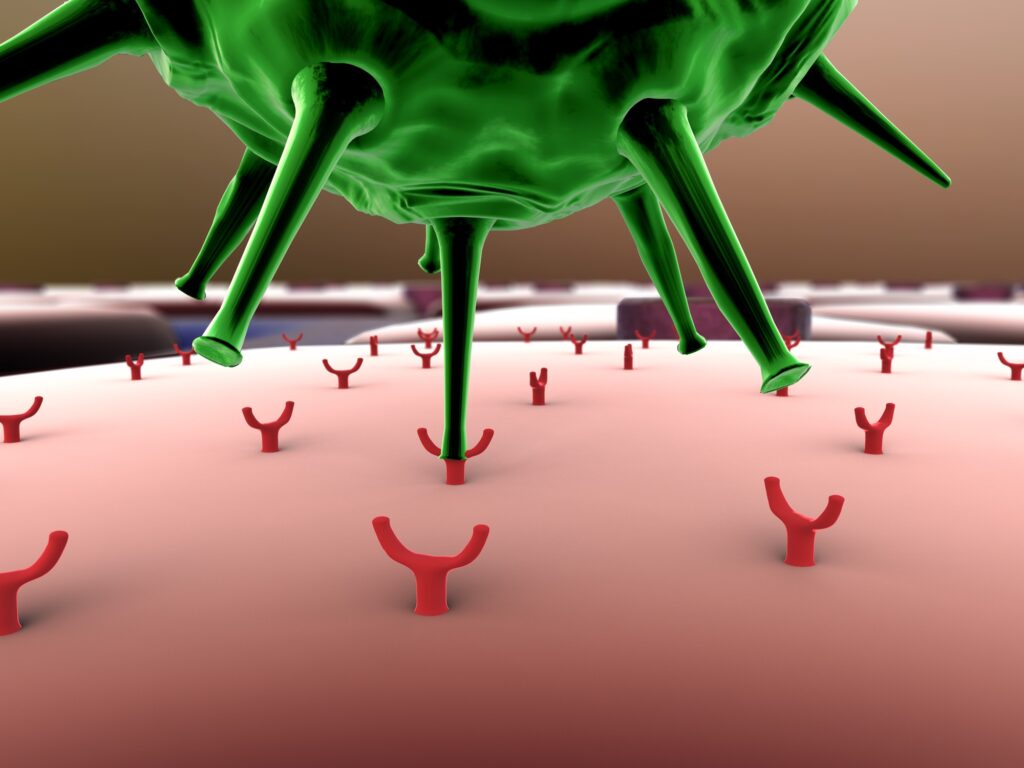
The common cold is a form of acute viral nasopharyngitis, characterized by nasal congestion, heavy nasal discharge, and sneezing. This inflammation of the nasal mucosa and pharynx may spread to the sinuses, larynx, trachea, or bronchi.
Highly contagious, colds often affect a tired or weakened body, sometimes simply after contact with other sick children. A child’s immune system is still immature, making them particularly vulnerable. Pediatricians often say that a child needs to experience many ENT infections before becoming fully “immunocompetent.”
If not addressed early, colds in children may develop into otitis, sinusitis, or bronchitis.
Incubation is short (1–3 days). Fever is often mild or absent but may reach 39°C (102°F) in babies and young children. After 2–3 days, nasal discharge thickens and coughing may appear.
With proper care, recovery usually occurs within 8–10 days. The earlier essential oils are used, the more effective aromatherapy can be. One major advantage of using essential oils in children is their ability to support immune maturation, helping children emerge stronger after the infection.
Reflex Actions for Infants with Nasopharyngitis
- Gently aspirate mucus using a nasal aspirator (clean the nasal passages with seawater while the child lies on their side, then aspirate any remaining mucus)
- Encourage nose blowing (not sniffing) as early as possible
- Promote regular handwashing
- Monitor body temperature and avoid overheated rooms
- Humidify dry indoor air
- Adapt diet (reduce or avoid dairy products)
- Ensure adequate hydration
- Observe overall condition: pain, energy, responsiveness, appetite
⚠️ Any signs of severity (lethargy, behavioral changes, persistent fever, significant pain) require immediate medical consultation.
Treating Colds and Nasopharyngitis with Essential Oils
Aromatherapy can greatly support a child with a cold by improving comfort and speeding recovery. Some essential oils have targeted antiviral and anti-infectious properties.
When used early and regularly, essential oils can:
- Purify and decongest airways
- Thin mucus
- Soothe inflamed respiratory mucosa
- Stimulate immune defenses
Four Essential Oils of Reference for Children
- Thyme ct. Linalool (Thymus vulgaris ct. linalool)
- Fine Lavender (Lavandula angustifolia)
- Ravintsara (Cinnamonum camphora 1,8 cineol)
- Tea Tree (Melaleuca alternifolia)
Focus on Thyme ct. Linalool – The “Pediatric Thyme”
When used correctly, Thymus vulgaris ct. linalool is one of the most effective essential oils for ENT infections in children.
Properties:
- Broad-spectrum anti-infectious
- Gentle and well tolerated
- Immune-stimulating
- Antitussive and mildly antispasmodic
- Comforting and tonifying
It supports the child throughout their growth process.
Complementary Essential Oils
- Tea Tree: versatile anti-infectious, immune-boosting, anti-fatigue
- Fine Lavender: anti-inflammatory, calming, nervous system regulator
- Ravintsara: powerful antiviral, expectorant, mucolytic (contraindicated in asthma or epilepsy)
MY FORMULA
Cold Support for Babies and Children
Properties:
Broad-spectrum anti-infectious, antiviral, expectorant, decongestant, immune-stimulating, tonifying
Indications:
Colds, nasopharyngitis, upper respiratory tract infections
Formula (10 ml bottle):
- EO Thyme ct. Linalool (Thymus vulgaris ct. linalool): 20 drops* or 0,6 ml
- EO Tea Tree (Melaleuca alternifolia): 10 drops* or 0,3 ml
- EO Ravintsara (Cinnamomum camphora ct. 1,8-cineole): 20 drops 20 drops* or 0,6 ml
- EO Fine Lavender (Lavandula angustifolia): 10 drops* or 0,3 ml
- VO Apricot Kernel Oil: q.s. to (fill up to) 10 ml
*) Depending on where you live, the size of the drops may vary, as companies in different countries may use different sizes of dropper caps. It is therefore very important to pay attention to the ml information to ensure that you do not overdose. For measuring, you can use a 10 ml glass measuring cylinder (graduated cylinder). In total, no more than 2 ml of essential oils must be used for this formula.
Preparation:
In a 10 ml amber glass bottle with dropper, pour the essential oils (organic quality) in the quantities indicated, then top up with vegetable oil. Close and shake gently.
Directions for Use (topical):
- Babies (3–30 months): 3 – 10 drops (according to age), 3× daily for 3 – 5 days
- Children (30 months–6 years): 10 – 20 drops, 3× daily for 3 – 5 days
Apply to chest, upper back, and soles of the feet.
Contraindications:
Do not use if one of the following applies: Babies under 3 months, pregnancy and breastfeeding, epilepsy, asthma, history of seizures.
Precautions:
Always perform a skin allergy test before applying over a large area.
Supporting Immunity with Hydrosols
Recurrent colds often reflect general fatigue. Hydrosols, the aromatic waters obtained during distillation, contain aromatic molecules, but in much smaller proportions. They do not have the same contraindications as essential oils and are an interesting alternative for long-term support of the body's natural defenses, starting from the age of 3.
Hydrosols also allow young children to become familiar with aromatic and plant flavors at an early age, making later use of essential oils easier.
Hydrosols should be used as part of a balanced diet rich in fruits and vegetables and may be combined with pollen, acerola (rich in vitamin C), trace minerals, bud extracts, or probiotics. These preventative treatments should be supervised by a doctor and/or a health and wellness practitioner.
Want to Learn some Simple gestures in emergency cases?
Join my course today, and discorver the practical gestures in aromatherapy thant can be integrated in daily life!
My Child Immunity Hydrosol Formula
- HA Laurel Leaf / Bay Laurel Hydrosol (Laurus nobilis): ½ teaspoon
- HA Thyme ct. Linalool Hydrosol (Thymus vulgaris ct. linalool): ½ teaspoon
- Still mineral water: 1 glass
Directions:
Mix hydrosols into water and give to the child every morning, on 7 - 10 days per month. Can be repeated a few times throughout winter.
Use only fresh hydrosols of high, organic quality.
Learn more about the safe use of essential oils with children, possible risks and contraindications, as well as all the formulas adapted for children, in the free program "Aromatherapy for Children".
Different examples of studies and articles on the use of essential oils in children and pediatric care:
Rigon MR, Donatello NN, Volpato LK, Piovezan AP. The Use of Essential Oils in Pediatric Care: An Integrative Review. Ann Pediatr Child Health 2021; 9(8): 1258.
Luca Giuseppe Re et al. (2025). Efficacy of Aromatherapy on Children: A Systematic Review with Meta-Analysis. Qeios. doi:10.32388/PU2R0A.
Miedes LR, et al. The effects of aromatherapy in children: a systematic review and a call for research in autism. J Complement Integr Med. 2026 Feb 19. doi: 10.1515/jcim-2025-0241. Epub ahead of print. PMID: 41706089.
Silva, Raquel & Ferro, Emília. (2025). Aromatherapy and Essential Oils in Pediatric Care: Applications and Future Directions. Brazilian Journal of Health Aromatherapy and Essential Oil. 2. bjhae21. 10.62435/2965-7253.bjhae.2025.bjhae21.
Sarah Meyer, Aromatherapie in der Kinderkrankenpflege (Aromatherapy in pediatric nursing), Eine systematische Übersichtsarbeit, Bachelorthesis, Hochschule für Angewandte Wissenschaften Hamburg, 2015, https://reposit.haw-hamburg.de/bitstream/20.500.12738/7311/1/Meyer_Sarah_BA_2016_04_27.pdf
van der Heijden, et al. (2022). Aromatherapy massage seems effective in critically ill children: an observational before-after study. Paediatric Neonatal Pain, 4(2), 61-68. https://doi.org/10.1002/pne2.12073
Kiberd MB, et al. Aromatherapy for the treatment of PONV in children: a pilot RCT. BMC Complement Altern Med. 2016 Nov 9;16(1):450. doi: 10.1186/s12906-016-1441-1. PMID: 27829428; PMCID: PMC5103370.
Anita Norton et al., Exploration of Aromatherapy in a Pediatric Outpatient Surgical Setting: A Pilot Study, Journal of PeriAnesthesia Nursing, Volume 37, Issue 5, 678 - 682
College of Medecine, Pediatric Experts Find Aromatherapy Effective for Promoting Infant Healing, NAS Recovery, https://medicine.uky.edu/news/pediatric-experts-find-aromatherapy-effective-2017-05-12t09-33-41
Czarnecki ML, Michlig JR, Norton AM, Stelter AJ, Hainsworth KR. Use of Aromatherapy for Pediatric Surgical Patients. Pain Manag Nurs. 2022 Dec;23(6):703-710. doi: 10.1016/j.pmn.2022.08.003. Epub 2022 Sep 16. PMID: 36123297.
Sánchez FA, Rosales JR, Godoy PR, Barría RM. Effects of inhalation aromatherapy as a complementary therapy in pediatric patients in the clinical practice: A systematic review. Complement Ther Clin Pract. 2022 Feb;46:101516. doi: 10.1016/j.ctcp.2021.101516. Epub 2021 Nov 23. PMID: 34837806.
Alina V. Chervinskaya, et al. The use of aromatherapy in pediatric practice. Russian Journal of Physiotherapy, Balneology and Rehabilitation, 2023, 22(1): 63-69 DOI:10.17816/rjpbr119538
Weaver MS, Robinson J, Wichman C. Aromatherapy improves nausea, pain, and mood for patients receiving pediatric palliative care symptom-based consults: A pilot design trial. Palliative and Supportive Care. 2020;18(2):158-163. doi:10.1017/S1478951519000555
Karimi Afshar S, et al. Comparing the Effect of Aromatherapy and Distraction on the Pain Caused by Venipuncture in Hospitalized Children: Evidence from a Clinical Trial Study. Med Surg Nurs J. 2020;9(4):e113511. doi: https://doi.org/10.5812/msnj.113511
Aydın Aİ, Reis D, Arsoy HA, Demirtaş Z. The effect of lavender oil on anxiety before endoscopy in children: A randomized controlled trial. J Pediatr Nurs. 2025 Jul-Aug;83:63-68. doi: 10.1016/j.pedn.2025.04.025. Epub 2025 Apr 26. PMID: 40288054.
Michlig JR, et al. Pediatric healthcare professionals' perceptions, knowledge, and use of essential oils. Complement Ther Clin Pract. 2021 Nov;45:101474. doi: 10.1016/j.ctcp.2021.101474. Epub 2021 Aug 8. PMID: 34388559.
Khamis EAR,. Effectiveness of Aromatherapy in Early Palliative Care for Oncology Patients: Blind Controlled Study. Asian Pac J Cancer Prev. 2023 Aug 1;24(8):2729-2739. doi: 10.31557/APJCP.2023.24.8.2729. PMID: 37642059; PMCID: PMC10685211.
Caballero-Gallardo, K.; Quintero-Rincón, P.; Olivero-Verbel, J. Aromatherapy and Essential Oils: Holistic Strategies in Complementary and Alternative Medicine for Integral Wellbeing. Plants 2025, 14, 400. https://doi.org/10.3390/plants14030400
Important information
Abbreviations:
- EO = Essential Oil
- VO = Vegetable Oil
- HA = Hydrosol (Hydrolat)
Whenever we use the term ‘essential oils’ (EO), we always refer to essential oils that are 100% natural, 100% pure, 100% unadulterated, and preferably organic or wildcrafted. Only 100% genuine essential oils, obtained either by distillation or cold expression, are suitable for French aromatherapy. Proper storage and packaging, as well as adherence to the shelf life, are equally important in order to prevent the oxidation of aromatic molecules.
The information provided on this website is not intended as a substitute for professional medical advice, diagnosis, prescription or treatment. Essential oils are excellent complementary tools, but are not a replacement for medication. Aromatherapy is not recommended without medical advice for anyone in a fragile state (children, pregnant and breastfeeding women, people with allergies, asthma or epilepsy), or for anyone taking medication.
French aromatherapy requires strict compliance with contraindications, dosages and duration of use, and requires the use of essential oils of the best quality that meet standard criteria (method of cultivation, extraction, packaging, analysis and traceability). It is important to strictly adhere to the botanical and biochemical identifaction of the essential oils mentionned.
Individual tolerance to essential oils varies significantly, and it is important that each individual respects their own tolerance. For people with a low tolerance threshold, it is advisable to further dilute the essential oils listed in this recipe and the proposed synergies. Long-term use of essential oils requires medical advice.